

How to Pack & Store Decorative Artwork
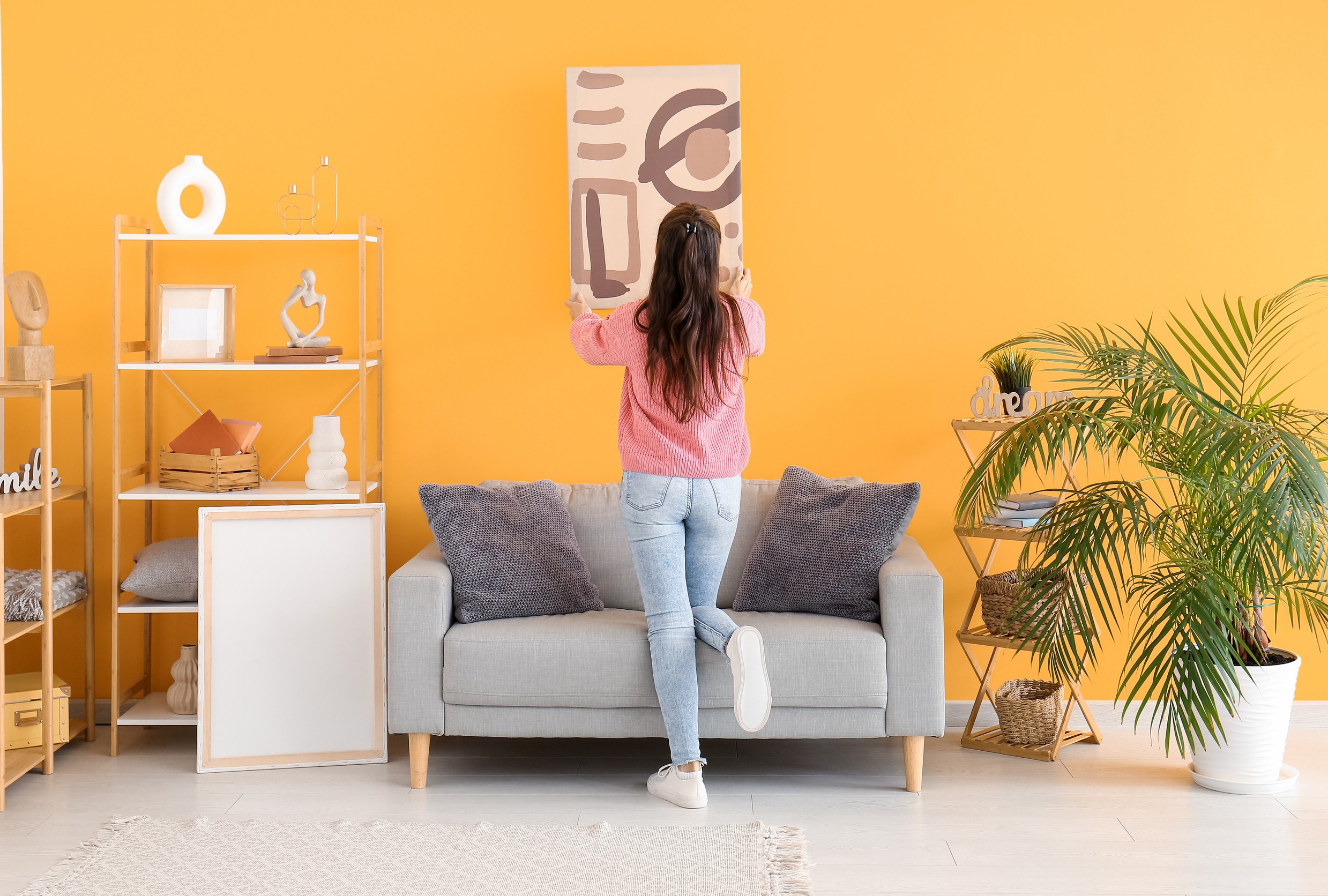
If you’re planning to store any decorative artwork like lithographs, prints, posters, or décor paintings, you want it to come out of storage looking just as vibrant and flawless as the day you hung it on your wall. That’s why taking the time to pack and protect each piece properly is so important.
Below, you’ll find everything you need to confidently prepare, pack, and store your artwork for the long haul.
Getting Your Decorative Artwork Ready for Storage
Before you reach for the packing tape, a little prep work will make a world of difference in keeping your art safe.
Step 1: Document Your Collection
Before you start wrapping anything, take a moment to keep track of what you’re storing.
- Snap clear photos: Capture the front, back, and any existing scratches or wear.
- Write down the basics: Note the dimensions and a short description of each piece so nothing gets overlooked.
Step 2: Clean & Inspect Your Artwork
A quick cleaning session helps prevent dust or grime from causing long-term damage.
- Wipe surfaces gently: Use a clean microfiber cloth to dust frames, glass, and edges.
- Check for small issues: Look for chipped frames, loose joints, or any peeling paint. Fixing or noting these now saves stress later on.
Step 3: Gather the Right Packing Materials
Think of this like prepping for a DIY project – you want all the right tools on hand and ready to go. For this job, skip newspaper (the ink transfers!) and avoid low-quality plastics that trap moisture. Instead, you’ll want to gather:
- Sturdy cardboard or specialty picture/mirror boxes
- High-quality bubble wrap
- Cardboard corner protectors
- Strong packing tape
If you’re storing pieces with significant monetary or heirloom value, you may want to explore specialty storage designed for gallery-quality artwork to ensure the highest level of protection. In some cases, your insurance policy may even require it. Even if your pieces don’t quite fall into that category, it’s still wise to take extra precautions by using archival-quality packing materials. Look for:
- Acid-free paper or glassine
- Archival foam board
- Artist’s or painter’s tape
How to Pack Different Types of Decorative Artwork
Every type of art needs a slightly different approach. Here’s how to pack the most common styles safely.
Framed Pictures & Prints with Glass
Glass is the biggest risk factor here. If it breaks, it can scratch or slice the artwork underneath. Protect it with care:
- Secure the glass: Use painter’s tape to make an “X” across the glass. This won’t stop a major break, but it will hold any shards in place, protecting your artwork from cuts.
- Protect the corners: Add cardboard corner protectors.
- Wrap thoroughly: Use several layers of bubble wrap and seal it firmly.
- Box it snugly: Place the wrapped frame in a snug mirror or picture box and fill gaps with packing paper or towels so it doesn’t shift.
Paintings on Canvas
Canvas is delicate, so you’ll want to take extra steps to keep the painted surface safe.
- Protect the painted surface: Never let plastic touch the paint. Cover it with acid-free paper or a clean cotton sheet instead.
- Add cushioning: Once the surface is protected, wrap the piece fully in bubble wrap.
- Store upright: Always store canvases vertically – laying them flat can cause sagging or stretching.
Unframed Posters and Prints
You can store these either rolled or flat depending on how delicate they are.
- Rolling: Roll the artwork loosely (image facing inward) and place it in a sturdy tube. Store tubes horizontally.
- Flat storage: Use archival foam boards to sandwich delicate prints. If you’re stacking multiple pieces, separate each with acid-free paper.
Small Decorative Pieces & Craft Supplies
If your artwork collection includes small décor or craft materials:
- Use clear bins: Dividers help keep supplies organized and visible.
- Label everything: You’ll thank yourself later when you’re hunting for a specific tool or material.
Choosing the Right Storage Unit for Your Artwork
Selecting the perfect home for your stored artwork matters just as much as how you pack it.
Climate-Controlled Units
Climate control is ideal for most artwork because it helps prevent warping, mould, fading, or cracking, caused by fluctuating temperatures or humidity.
Choose the Right Unit Size
Give your pieces room to breathe when thinking about what size of unit your artwork needs.
- Make sure you have space: Pick a storage unit size based on the dimensions and number of pieces you’re storing.
- Store upright: Ensure your unit has enough room to store framed and canvas pieces vertically without crowding. If it helps, you can consult the size guide or storage calculator to get a good space estimate.
How to Store Artwork Safely in a Storage Unit
Once you’re inside your unit, a thoughtful layout will help protect everything long-term.
- Go vertical: Always keep framed pieces and canvases on their long edges, never stacked flat.
- Use freestanding racks or shelving: This keeps everything properly supported, separated, and off the floor.
- Elevate items: Pallets, risers, or shelving help protect your art from unexpected moisture.
- Cover with breathable fabric: A cotton sheet or moving blanket shields your art from dust while allowing air to circulate.
- Create a wall buffer: Place cardboard between your artwork and exterior walls to prevent moisture transfer.
Unpacking Your Artwork After Storage
When you bring your artwork home, resist the urge to unwrap it right away. Let everything acclimate to your home’s temperature for at least 24 hours before unwrapping. This helps prevent cracking, warping, or condensation issues.
Ready to Find Your Perfect Storage Fit?
Whether you’re reorganizing your home, preparing for a move, or simply looking for a secure place to store your artwork décor, selecting the right storage solution is key. Proper packing and storage will help preserve your pieces so they remain in display-ready condition for years.
If you’re unsure which unit size makes sense for your collection, a reliable size guide or storage calculator can help you narrow it down. And if you want a deeper understanding of how self-storage works, a detailed storage guide is a great place to start.
Frequently Asked Questions About Storing Decorative Artwork
What’s the best way to store large canvases?


It’s best if you store them vertically, ideally in a mirror box or custom crate, and always keep them elevated off the floor.
How do I prevent mold and mildew?
A climate-controlled unit is your best defense. Also, ensure art is completely dry before packing, use breathable wrapping materials, and allow for air circulation around each piece.
Can I store glass-framed pictures?
Absolutely! Just make sure to use bubble wrap, corner protectors, and a well-padded box.
Is long-term storage safe for rolled posters?
Yes, as long as you make sure they’re rolled loosely, stored in a sturdy tube, and stored horizontally to prevent creasing on the poster edges.
What packing materials should I avoid?
To keep your art pieces pristine, skip using plastic wrap directly on painted surfaces, newspaper (ink can transfer), and anything that isn’t acid-free if it will be in direct contact with the art.
How often should I check on stored artwork?
If you’re storing long-term, checking every few months is a good idea, especially if you don’t have a climate-controlled unit.
