

How to Downsize Your Home
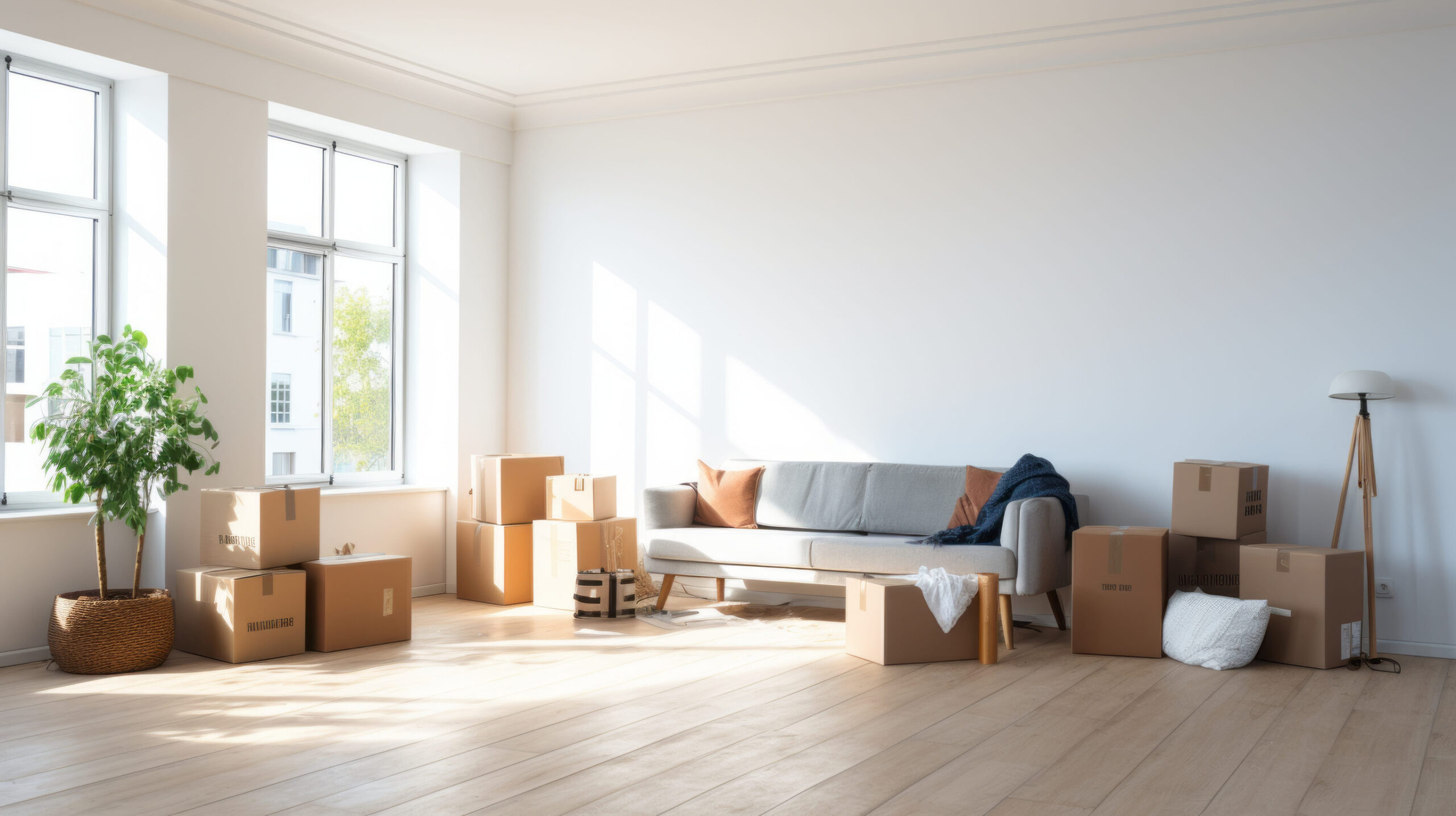
When you’re retiring, simplifying your lifestyle, or adjusting to new circumstances, deciding whether to move into a smaller home comes with a lot of factors to consider. No matter what your motivation, downsizing requires careful planning and organization, so that you can accomplish the transition successfully and make space for what truly matters.
Because the prospect of downsizing can seem daunting, this guide will walk you through the essentials to help make the process more manageable – from understanding why it might be the right choice for you to practical steps for sorting your belongings and maximizing your new space.
What is Downsizing?
Downsizing is much more than simply reducing square footage, it means simplifying your life. It’s about transitioning into a home that better fits your current lifestyle needs, habits, and goals.
The process often involves paring down your belongings, letting go of excess, and creating an intentional space that’s more manageable. Bear in mind that downsizing isn’t the same as “downgrading.” Rather, it’s about designing a mode of living that reflects where you are now, one with less clutter, more freedom, and a greater quality of life.
Why People Downsize (and Why You Might, Too)
There are many reasons people choose to downsize, and each comes back to one common goal: creating a home that supports the life you want to live today.
Here are some of the most common motivations — and the benefits that come with them:
- A simpler life: A smaller home means less upkeep, fewer repairs, and more time to spend doing what you enjoy most.
- Financial freedom: Having smaller mortgage payments, reduced utilities or maintenance, and lower property taxes can free up funds for travel, hobbies, or long-term goals.
- Better lifestyle fit: As life evolves, so should your space. Downsizing allows you to align your home with your current priorities, whether that’s proximity to family, accessibility, or convenience.
- Sustainable living: Smaller homes require fewer resources, making downsizing a responsible and eco-friendly choice.
- Ease through life transitions: Major life changes like retirement, relocation, or health considerations, often makes getting a smaller, easier-to-manage home the right move.
Ultimately, downsizing isn’t about having less, it’s about living better. It’s a step toward greater balance, comfort, and freedom for the next chapter of your life.
What to Consider Before Downsizing
If you’ve lived in your current home for years, downsizing can seem overwhelming, and you might struggle in knowing where to start. By breaking down the assessment phase into smaller, practical steps, it will help enable the process to be easier to commit to and less stressful.
Step 1: Understand Your Needs
As a critical starting point, put some thought into your requirements for your new space. What do you actually need to live comfortably? Consider:
- How many bedrooms will you use?
- Will you need a dedicated workspace or hobby area?
- Do you plan to host guests frequently, or is a cozier setup enough?
Knowing your priorities will help you decide what to keep and what to let go of, in terms of furnishings and accessories. If possible, it’s always a good idea to get measurements or floor plans for your new home so you can realistically plan around how much space you’ll have.
Step 2: Set a Budget
Moving comes with costs, even when you’re downsizing. Should you need them, be sure to consider the costs of:
- Moving services: Whether you hire movers or rent a truck.
- Packing supplies: Boxes, tape, and protective materials.
- Storage units: For any items you’re not ready to part with but don’t have room for right now.
Step 3: Create a Timeline
Give yourself plenty of time to sort, pack, and prepare for the downsizing process. Trying to rush through things creates the risk of making poor decisions and will obviously lead to more stress, so to prevent this, it makes sense to have a timeline at hand. For simplification, tackle one room at a time, starting with areas that hold fewer sentimental items (like the bathroom or possibly the kitchen) before moving on to spaces like the attic or family room. Remember to buffer in more time to work with any area of the home where its contents hold significant emotional value, especially if you anticipate needing help in making a decision over certain items.
Step 4: Visualize Your New Space
Think about how your furniture and belongings could fit into your new home. This step helps you choose between what’s worth keeping and what won’t work in a smaller space. Oftentimes it can feel easier to let go of something when you realize there just won’t be any room for it.
Tips to Simplify Downsizing
When you take a thoughtful approach, downsizing can really be seen as an opportunity to simplify your life and create a space that will better support your needs and desired mode of living. Here are some tips on how to simplify downsizing while reducing stress:
How to Declutter Without the Stress
Decluttering is often the hardest part of downsizing, but it’s also the most important. The goal isn’t just to get rid of things, since decluttering also entails deciding what’s important and matters enough to transition with you to your new space.
- Sort items into categories using the “Keep, Donate, Sell, Toss” method to stay organized and simplify decision-making.
- Ask yourself key questions like whether you’ve used an item recently, if it serves a purpose in your new home, or if it brings you joy or holds meaningful memories.
- Start simple by decluttering more practical areas of the home, such as closets or garages, before moving on to spaces that have more valuable or sentimental items to go through.
- Digitize paperwork and photos to save physical space while still preserving important documents and cherished memories.
Amongst all the areas in your home, most people begin with decluttering the garage. As mentioned earlier, an area like the garage can be a helpful starting point, since it’s typically a space with less nostalgic attachment.
Better Manage Larger Items and Furniture
Downsizing often means dealing with large furnishings or furniture sets, so determining whether such items both physically and functionally fit in your new space is an all-important exercise.
- Measure everything – This should include furniture dimensions, doorways, hallways, staircases, and room sizes, so you can avoid surprises during the move to your new home
- Let go of bulky items – Traditional household furnishings are usually designed for family-sized homes, which means they are typically large in size. When downsizing, you’re likely to find that such items no longer serve a purpose or align with your new lifestyle
- Select multi-functional furniture – If you already have furniture pieces that are multipurpose, they’re ideal for a downsized space. Examples include storage ottomans, sofa beds, extendable tables, or beds with built-in storage, all of which maximize functionality in a smaller home, so be sure to prioritize these items for your move.
If you’re not yet ready to part with certain pieces, you might want to consider renting a self-storage unit for temporary storage, so these items will have somewhere safe to go during the downsizing process. This transition is also a good opportunity to repurpose or refurbish older furniture, ensuring that it’ll also be appropriate for your new space.
Simple Downsizing for Seniors
For older adults, downsizing often represents a significant life transition, such as retirement or relocating to a more accessible living space. When you reflect on your unique situation, it’s always important to remember that downsizing is an opportunity to simplify your surroundings and create a space that enhances your quality of life, especially when it comes with the right planning and support.
- Start early – i Give yourself plenty of time to sort through your belongings. Start by focusing on one room or category at a time, so you can avoid feeling rushed or overwhelmed.
- Ask for help – If things seem unmanageable, getting emotional support from family and friends can go a long way to help you stay on track. For complex moves, reach out to professional organizers or moving services to lighten the workload and reduce mental and physical stress.
- Prioritize accessibility – In your new home, greater accessibility can be achieved by removing hazards or obstacles, such as thick carpeting or narrow doorways. Position your furniture to create open space and pathways, while ensuring that shelving and cabinets are stable and installed at a safe, practical height for your needs.
- Approach sentimental items thoughtfully – Keepsakes, scrapbooks, photo albums, and other physical mementos can take up quite a bit of room. While the most meaningful items should be retained, you might need to scale down by passing along others to loved ones or preserving memories digitally to reduce clutter. Photos, letters, music albums, videos, and many other forms of media can all be readily digitized.
- Embrace multi-functional solutions – This enables you to make the most of a smaller space. Possible solutions include furniture with built-in storage, vertical shelving, and compact appliances, which can help maximize the functionality and living space in a downsized home.
- Take care of yourself – During the downsizing process, it’s important not to risk getting overwhelmed by taking on too much too fast. Be sure to give yourself plenty of time to proceed at your own pace, celebrating progress as you go along. and seeking out emotional support when needed.
Making the Most of Your New Space
Downsizing is the perfect opportunity to create a home that feels comfortable, efficient, and distinctly your own. With a bit of planning and creativity, your smaller space can feel every bit as functional and welcoming as before, if not more so.
Here are some effective ways to make every square foot count:
- Maximize functional storage: Use your vertical space wisely with tall shelving, wall-mounted hooks, and closet organizers. Incorporate multi-purpose furniture with space-saving design, such as fold-out desks or benches with storage underneath, so you can maintain organization without overcrowding your rooms.
- Simplify with intention: Keep only the items you truly value or use regularly. Adopting a “less but better” approach – prioritizing quality over quantity – helps maintain balance and clarity in your home. A simple “one-in, one-out” rule can prevent clutter from building up again.
- Plan your layout strategically: Arrange furniture to create clear pathways and define functional zones for different activities, such as dining, working, or relaxing. As you settle in, continue refining your layout until it feels natural and supports your daily routines.
- Incorporate warm personal details: Thoughtful design touches go a long way in making a smaller home feel inviting. Consider layered lighting, greenery, , light color palettes, and meaningful artwork to create a bright, comfortable atmosphere that reflects your personality.
Over time, these approaches will help you maintain a home that’s not only organized and efficient, but also unmistakably yours. And if you find yourself holding onto a few sentimental pieces or seasonal items that don’t quite fit, using off-site storage can be a practical way to keep your home uncluttered, while still keeping things that matter close at hand.
How Self-Storage Can Help When Downsizing
If you’re struggling to part with certain items or simply don’t have room for everything in your new space, self-storage can be a lifesaver. It provides a secure, flexible solution for managing your belongings during and after the downsizing process. Here’s how self-storage could be helpful to you:
The Benefit of Using Self-Storage
Downsizing often means making tough decisions about what to keep and what to let go, but self-storage can complement your new smaller home when storage space is limited. It provides a safe, convenient way to hold onto items that don’t fit with the new layout while still keeping them accessible. Maintain a clutter-free home by storing these types of items:
- Seasonal items
- Accessory furniture
- Sports gear & hobby supplies
By using self-storage strategically, you can simplify the downsizing process and continue to stay organized, no matter the size or configuration of your new home, while reducing the risk of renewed clutter compromising your living space.
Temporary vs. Long-Term Storage
. By offering solutions tailored to both short-term and long-term storage, one of the advantages of self-storage is its flexibility.
- Temporary Storage: During the transition to a smaller home, self-storage is useful for storing items that you’re still unsure of. This gives you the time to settle into your new space and properly evaluate what fits, which eliminates the pressure to get rid of things when you’re still undecided.
- Long-Term Storage: For items you don’t use daily but still want to keep, long-term storage is a good option. It allows you to free up valuable space in your home while ensuring your belongings are safe and always within reach whenever needed.
With self-storage, you’ll have the freedom to downsize at your own pace and find a storage unit size that suits your needs, all while continuing to enjoy a clutter-free living space
Start Downsizing Today
Downsizing isn’t just about eliminating clutter to move into a smaller home — it’s about creating space for what truly matters to you. It’s an opportunity to simplify your surroundings, reduce stress, and embrace a mode of living that feels more intentional and sustainable. By planning carefully, decluttering thoughtfully, and using smart tools like self-storage, you can make the transition smoother and more rewarding.
At Public Storage Canada, we provide flexible, secure storage solutions to support you through every stage of your downsizing journey, whether you need temporary space during a move or a long-term home for lifestyle or seasonal extras that are critical to retain. With the right preparation and mindset, downsizing becomes more than a practical step, it’s a new beginning built around comfort, clarity, and freedom.
Related Posts
Making the Most of a Small Home
Small Space Storage Solutions for Big City Living
How to Make your Home More Spacious and Open
