

How to Prevent Bed Bugs in Your Storage Unit
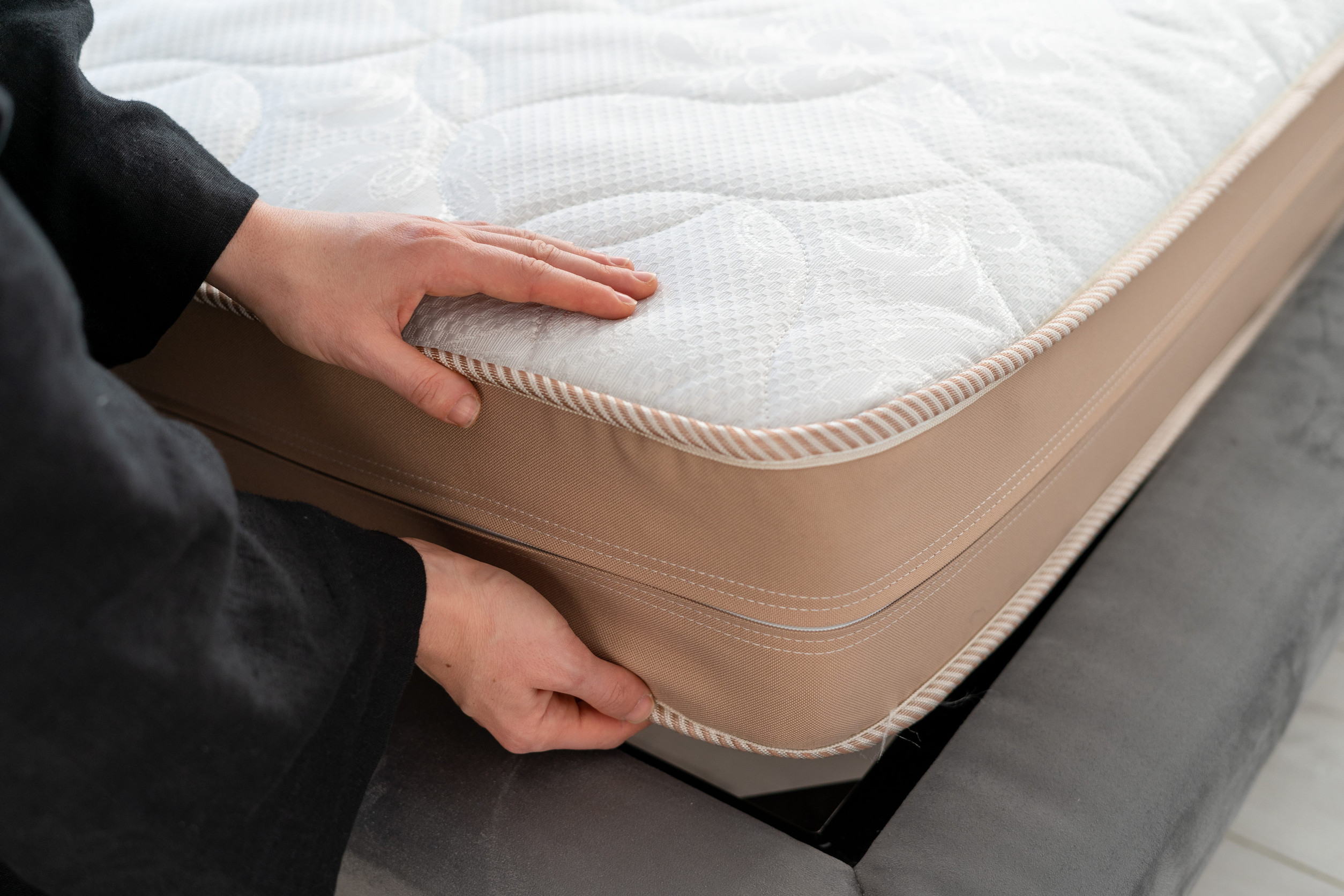
Bed bugs are stubborn little hitchhikers, but here’s the good news: they don’t seek out storage units unless someone brings them in. Bed bugs are attracted to people and will always try to live in close proximity to their hosts, which means the most powerful pest-prevention tool you have is simple: don’t pack them in with your belongings.
By taking a few smart, proactive steps before you move anything into storage, you can drastically reduce the infestation risk to your furniture and personal items. Here’s how to store with confidence and avoid unwanted guests.
What Actually Attracts Bed Bugs to Storage Units?
Bed bugs don’t seek out storage units on their own. Instead, they’re transported inside furniture, fabrics, or boxes that came from an infested home or a second-hand source. Your goal is to make sure every item you store is clean, dry, and sealed before it ever leaves your house.
Still, there are a few things that can attract or shelter various pests if not handled properly:
- Cardboard boxes & paper: Cardboard is a favourite hideout for insects because of its layers, organic makeup, and moisture-absorbing properties. It’s easy for pests to nest in and hard for you to inspect thoroughly.
- Food odours & crumbs: Even tiny crumbs in a toaster, residue on a chair, or a forgotten scented candle can catch the attention of pests with strong senses of smell.
- Fabrics & upholstered furniture: Mattresses, sofas, chairs, and linens are the most common way bed bugs travel. The seams and folds offer endless hiding spots if items aren’t cleaned and inspected first.
- Clutter & dark corners: A jam-packed, disorganized storage unit creates quiet pockets of sanctuary where pests can hide undisturbed.
- Second-hand or recently used items: Furniture from yard sales, suitcases from recent travel, borrowed moving blankets, or boxes stored in someone else’s home are some of the most common pest carriers.
How Long Can Pests Survive in a Storage Unit?
Understanding pest survival helps you plan better — especially for bed bugs.
The Staying Power of Bed Bugs
Bed bugs can’t thrive without people, but they can survive long enough to be a problem if they’re already hiding inside your belongings.
- Adult bed bugs can enter a dormant state and survive for months, sometimes up to a year, waiting for a host.
- Females can lay hundreds of tiny eggs, which hatch in about 10 days. Even if adults die, a new generation might emerge.
Their survival depends mostly on:
- Temperature: They love the same temperatures you do – climate-controlled units can extend their lifespan.
- Humidity: Dry environments weaken them via dehydration, but humid conditions help them hang on longer.
In short, waiting them out doesn’t work. Prevention before storing is the only reliable solution.
What About Cockroaches, Mice, and Other Pests?
While bed bugs come from homes, other pests can be drawn to cluttered, unclean, or improperly packed items.
Cockroaches
Cockroaches scavenge almost anything:
- They can live for about a month without any food and up to a week without water.
- They’ll eat glue, paper, cardboard, and even the bindings of books.
Their slim flattened bodies can slide into tiny cracks in furniture, boxes, and electronics.
Mice
Mice aren’t after crumbs alone, they also want shelter, and soft items like clothes, papers, or couch cushioning make perfect nest materials. They can chew through cardboard, light plastic, and the wiring on appliances. They can squeeze through holes as small as a dime.
Other Pests
Spiders, moths, and silverfish all thrive in dark, undisturbed spaces — especially if stored items aren’t sealed or cleaned beforehand.
Signs of Infestation
To be on the safe side, when you stop by your unit, take a minute to do a quick check:
- Possible bed bug indicators: Look for dark or rust-coloured spots on furniture, tiny shed skins, pale eggs, or a sweet, musty odour.
- Signs of other pests: Rodent droppings, shredded box materials, gnaw marks, webs, or small holes in natural fabrics.
If you ever spot something suspicious, let the facility manager know right away.
Your Ultimate Pest-Proofing Checklist
Follow these steps before anything enters your storage unit:
- Inspect every item:
- Use bright lighting to check seams, folds, and drawers.
- Run a credit card along furniture seams to dislodge hidden debris.
- Shake out all textiles and vacuum items thoroughly.
- Clean and completely dry everything:
- Wash and dry fabrics on the highest safe heat setting.
- Wipe down and vacuum all appliances and furniture.
- Empty and clean appliances like fridges, microwaves, and toasters.
- Ensure every item is bone-dry to avoid mold and pest attraction.
- Use plastic bins, not cardboard:
Clear plastic bins with tight-fitting lids are:
- Pest-resistant
- Durable
- Waterproof
- Easy to inspect
- Wrap and Seal Furniture
- Use shrink wrap, furniture bags, and mattress covers.
- Seal all openings with packing tape.
- Elevate furniture on pallets if possible.
- Add natural repellents
Cedar blocks, lavender sachets, or peppermint-scented cotton balls can help deter insects and rodents — without harsh chemicals.
- Avoid DIY pesticides
Never use foggers or sprays inside a storage unit. They can be unsafe and ineffective. If you suspect a problem, always talk to facility staff first.
Choosing the Right Storage Facility
Where you store makes a big difference. Look for:
- Clean, well-lit hallways. A tidy facility usually means strong maintenance routines.
- Professional pest management. Ask about inspections and preventative treatments.
- Well-maintained grounds. Clean surroundings reduce outdoor pest activity.
- Strong customer reviews. Feedback from others can tell you a lot about cleanliness and oversight.
Choosing a facility that takes a proactive approach to pest management and facility cleanliness is critical. When these safeguards are firmly in place on site, you’ll have an added layer of confidence that your items are safe from the moment you move in.
Frequently Asked Questions
What are the chances of getting bed bugs from a storage unit?


Very low – bed bugs don’t naturally seek out storage units. Almost all infestations happen because they were brought in from home. Inspecting and cleaning your items before storing virtually eliminates the risk.
Can bed bugs travel between units?
It’s uncommon, especially in well-built, professionally managed facilities. Regular pest control helps ensure isolated issues never spread.
Should I use mothballs?
No, we don’t recommend using mothballs. They release toxic fumes, are often prohibited, and can permanently scent your belongings. Cedar or lavender are safer, effective alternatives.
Should I treat items before storage?
Absolutely! If there’s any doubt about whether your items are 100% pest-free – even a tiny one – then be sure to treat your items before packing. Washing textiles thoroughly, vacuuming furniture, or arranging professional heat treatment can prevent major headaches later on down the road.
Store Your Belongings with Confidence
When putting your items away in a self-storage unit, the last thing you want is to worry about pests or infestations, so the key to a stress-free storage experience lies in your initial preparation. By cleaning and inspecting your belongings, sealing them effectively with the right wrapping materials, and choosing a well-maintained facility, you create a strong first line of defense against pests.
When you combine smart packing habits with a clean, professionally managed storage environment, you can feel fully confident that your belongings will stay clean, safe, and in proper condition to be moved back home whenever you’re ready.
