

How to Prevent Rodents in Your Storage Unit
When you store your personal or business items, you’re looking for two things: more space and the peace of mind that your belongings are protected. But nothing disrupts that peace faster than discovering signs of rodents. It’s unsettling, it raises concerns about potential damage, and it’s a situation no one wants to face.
Professional storage facilities use routine inspections and strong pest-control programs to manage and greatly reduce the risk of rodent infestation. However, rodents are persistent, highly adaptable creatures, and the occasional critter can still find its way in.
The good news is that you play a major role in minimizing that risk. By preparing your items properly and adopting a few smart storage habits, you can make your storage unit far less appealing to pests, and far more protective of your belongings.
In the sections ahead, you’ll learn what attracts rodents, the signs to watch for, and the practical steps you can take to keep your unit as secure and as rodent-resistant as possible.
What Attracts Mice & Rats to Storage Units
To keep rodents out, you first need to understand why they might choose a storage unit in the first place. Just like any creature, they’re driven by survival – and your unit can inadvertently offer shelter, warmth, and nesting materials.
Rodents’ Search for Shelter
Storage units are quiet, dark, and protected from predators and harsh weather. When a mouse can slip through a dime-sized hole and a rat can squeeze through a quarter-sized gap, even the most minute structural aperture can act like a full-blown open doorway. Once inside, a closed-up unit becomes a safe, undisturbed place to hide and breed.
Nesting Materials Hidden in Your Belongings
Once a rodent finds shelter, it looks for nesting materials. Unfortunately, many commonly stored items make perfect bedding. Rodents will happily shred:
- Cardboard boxes
- Newspapers, documents, and books
- Soft cushions and mattress stuffing
- Old clothing and linens
- Insulation from appliances
- Even the paper backing on framed artwork
If it can be chewed or shredded, it can become part of a nest.
Food Scents—Even the Ones You Can’t Smell
A rodent’s sense of smell is incredibly strong, which is why the “no food” rule in self-storage units is so important. Even food you think is sealed can attract pests. This includes:
- Non-perishables like canned goods, rice, pasta, grains
- Pet food (a major attractant)
- Hidden crumbs in appliances or furniture
- Residue on barbecues, grills, or cookware
- Strong non-food scents like candles, leather goods, soaps, potpourri, or bags of grass seed.
To a rodent, these smells are like an invitation to dinner.
Signs of a Rodent in Your Storage Unit
Catching an issue early can be the difference between minor cleanup and major damage. Each time you visit your unit, do a quick check for:
- Droppings: Small, dark pellets near walls, corners, or on boxes
- Gnaw marks: Chewed wood, cardboard, plastic, and electrical cords
- Nests: Shredded materials gathered into small, loose piles
- Greasy smudges: Dark “runways” along the base of walls from repeated rodent travel
- Musty or ammonia-like odours: A telltale sign of an established infestation
If you catch these signs early, you’ll prevent big problems down the road.
What to Do If You Discover Rodents
If you spot signs of rodents in your storage unit, follow this checklist right away:
- Document the Evidence
- Photograph droppings, nests, gnaw marks, and any damaged items.
- Avoid disturbing anything until you’ve captured clear evidence.
- Notify Facility Management
- Report the issue immediately.
- Share your photos and describe exactly what you found and where.
- Make arrangements with staff to assess your unit and begin the appropriate pest-control response.
- Inspect Your Belongings Safely
- Wear gloves and a mask for protection.
- Check each item carefully – boxes, fabrics, appliances, furniture.
- Keep notes or photos of any contaminated or damaged belongings.
- Remove Your Items from the Unit
- Take all belongings out so the facility can service the unit.
- Keep contaminated items separate from clean ones.
- Clean & Repack Your Items (Not the Unit)
- Disinfect your belongings before repacking them.
- Seal and dispose of heavily soiled or damaged items.
- Use sturdy, airtight plastic bins when possible.
- Move Into a Freshly Inspected Unit
- Relocate your belongings only after the facility confirms the new unit is clean and ready.
- Reorganize items to make future inspections easier.
How to Protect Your Storage Unit from Rodents & Mice
Taking a few simple steps when you move into your unit can go a long way in preventing rodent issues.
1. Choose the Right Facility
Your first layer of protection is selecting a clean, well-maintained facility. Look for:
- Clean hallways and well-kept exterior areas
- Proper waste management
- Visible pest-control measures like perimeter bait stations
- A clear pest-control program (ask about their schedule!)
While strong pest-control procedures are a vital safeguard against infestation, it’s important to remember that no facility can completely eliminate the possibility of an occasional rodent being able to infiltrate. Your habits play a major role, too.
2. Prep Your Items Thoroughly
- Clean your appliances and furniture to remove lingering food residue
- Empty vacuum canisters and bags
- Drain water from hoses
- Wash your clothing and linens
- Do not store any food of any kind, including pet food, gardening seeds, or even decorative items made from dried flowers or corn stalks.
3. Use Proper Packing Materials
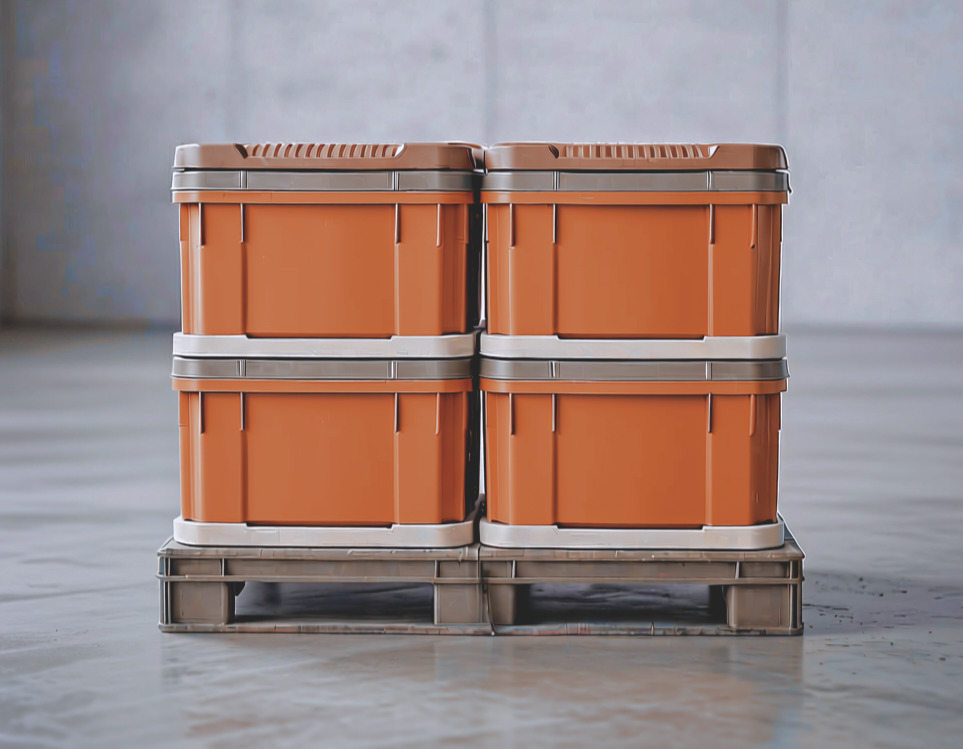
- Choose plastic over cardboard: Heavy-duty, air-tight plastic totes are rodent-resistant and protect against moisture.
- Cover furniture completely: Use sealed covers with no gaps.
4. Organize Your Unit Strategically
- Elevate everything: Use shelving or pallets to keep items off the floor.
- Leave room to walk around: Create a small aisle so you can inspect your unit during every visit.
5. Skip DIY Rodent Remedies
Avoid using:
- Mothballs: These are ineffective against rodents and will leave your belongings with a powerful, chemical smell that is extremely difficult to remove.
- Natural repellents: Contrary to popular myth, peppermint oil, cedar blocks, and dryer sheets are not effective rodent deterrents.
- Poisons or baits inside your unit: These substances are considered hazardous and may interfere with the facility’s existing pest control measures.
Protect Your Stored Items from Rodents Starting Today!
Keeping your unit rodent-resistant is a shared effort between you and your storage facility. When you take the right proactive steps, you’re doing your part to ensure the best possible outcome for your stored goods.
Your key action steps include:
- Inspect: Thoroughly check every item for any signs of pests before storing.
- Seal: Use durable plastic bins and fully enclosed furniture covers to create a physical barrier.
- Elevate: Keep your items off the ground for airflow and greater visibility.
When you combine ongoing attention during your visits with the professional pest-control programs at a reputable storage facility, you create the strongest defense possible against encountering rodents.
Preparing your items properly for storage and checking your unit regularly are the best ways to protect your belongings. When you combine these actions with a facility’s professional pest-control program, you create an unbeatable defense.
With the right safeguards in place, you can be confident that your storage unit will be a safe haven for your belongings only – not for unwelcome guests.
