

How to Declutter Your Garage — and Keep It That Way
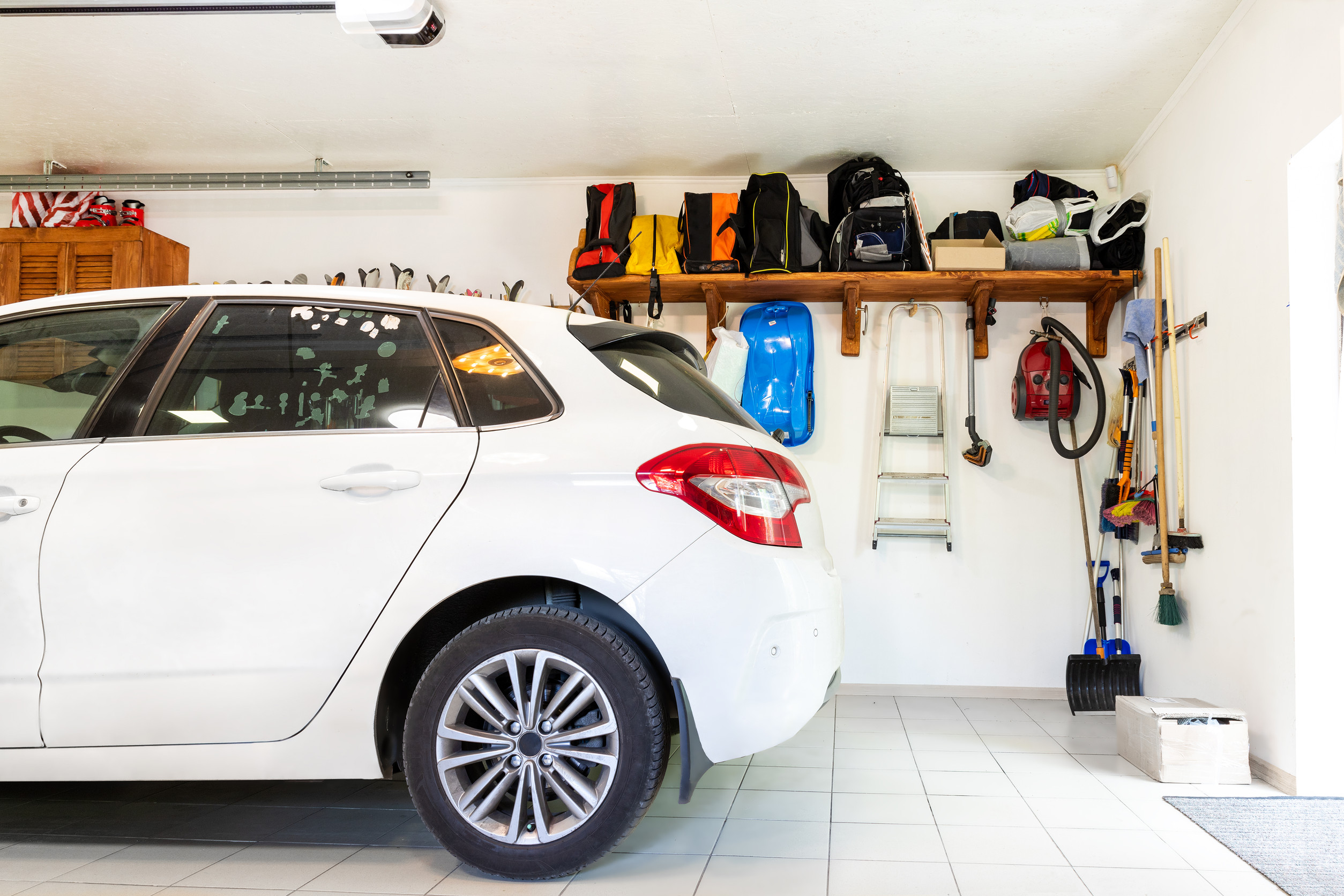
Strictly speaking, your garage is intended to house your vehicle. But, in reality, you’re probably using it to store a whole lot of other things, too. Before you know it, all these extra items can end up creating an unmanageable amount of clutter and can even take over the area available for your car inside the garage, defeating its original purpose. However, with a little planning and effort, you can take control of your garage and turn it back into a space that actually works for you.
Whether you want room to park your car, to set up a workshop, or to just enjoy a well-organized, clutter-free zone, this guide has you covered as we walk you through some essential steps, smart strategies and storage ideas to help you get there.
Why Decluttering Your Garage Matters
Let’s be honest – the garage tends to become a catch-all for everything that doesn’t fit anywhere else. These are usually things like old tools, forgotten holiday decorations, leftover supplies, etc. Ultimately, they all pile up until you can barely move, let alone park your car. But taking the time to declutter your garage can make a huge difference. You’ll reduce stress, find what you need faster, and finally create a space that works for you instead of against you. Plus, being able to bring your car indoors again feels like a small luxury, especially when it’s raining or snowing.
But the benefits go beyond organization. Clearing out old or unused items can prevent accidents, eliminate fire hazards, and even save you money by stopping duplicate purchases of whatever you couldn’t find. As a bonus, if you’re planning to sell your home, a tidy, well-organized garage can boost your home’s appeal and value. Once the clutter is gone, you can reimagine your garage however you like — as a workshop, a home gym, or even an extension to your living space or home office. In the end, it’s not just about cleaning up; it’s about reclaiming one of the most useful spaces in your home.
Steps to Declutter Your Garage
To make decluttering your garage feel less overwhelming, let’s break it down into smaller, manageable steps. Here are some important tips to help you tackle the process with confidence:
1. Set a Goal and Timeframe
Before diving into the chaos of your garage head-on start by defining clear goals for what you want to achieve. Are you clearing space to park your car? Creating a workshop or hobby area? Or are you just trying to regain control of the clutter? When you have a specific objective in mind, it will help keep you focused and motivated throughout the process.
Once you’ve identified your goal, decide on a realistic timeframe. It’s critical to block out time in your schedule to stay committed, whether it’s dedicating an entire weekend or taking care of smaller tasks over the course of several days. A clear plan and timeline will help you stay on track and generate steady progress.
Getting started can seem daunting, especially when you’re dealing with years’ worth of accumulated stuff. That’s where the 5-Second Rule comes in handy – this means taking five seconds to decide whether to keep, donate, or toss an item. By ticking to this principle while staying focused on your goal, this will help you move through the decluttering process way more efficiently.
The 5-Second Rule for Decluttering
If you find yourself hesitating or overthinking what to keep and what to let go of, the 5-Second Rule is a game-changer! Every time you pick up an item, give yourself just five seconds to answer three key questions:
- Is this item useful? Does it serve a practical purpose in your life right now?
- Does it hold sentimental value? Is it something that genuinely brings you joy or holds meaningful memories?
- Do I truly need it? Would your daily life be impacted if this item were gone?
If the answer to all three questions is “no,” then it’s time to let the item go. Whether that means donating it, recycling it, or tossing it in the trash, the goal is to move on quickly without second-guessing yourself. The key here is to avoid falling into the trap of overanalyzing or convincing yourself to keep things “just in case.”
Why the 5-Second Rule Works
The beauty of the 5-second rule is that it’s simple. By limiting the amount of time you spend deciding, you can avoid the emotional attachments and excuses that often slow down the decluttering process. It forces you to focus on the present value of an item rather than getting stuck in “what if” scenarios or nostalgia for things you don’t actually need.
This method also helps you build momentum. Instead of agonizing over every little decision, you’ll find yourself moving through your pile of stuff more efficiently. Naturally, as you begin to see progress, you’ll feel motivated to keep going.
2. Involve the Family
Decluttering doesn’t have to be a solo effort. Getting your whole family involved can make the process faster, more enjoyable and even educational. Assign tasks to each family member based on their abilities and interests. For example, your kids can sort through toys or sports equipment, while adults handle tools, larger items, or things that require heavy lifting.
Encourage everyone in your family to use the 5-Second Rule as they go through their assigned tasks. Point out that the key is to quickly decide whether an item is really needed, so if anyone hesitates for more than five seconds, it’s likely time to let that thing go.
Working together not only speeds up the process but also ensures that everyone involved will have input on what stays and what goes.
3. Empty the Garage Completely and Deep Clean
Transforming your garage into an organized space starts with a full reset. This involves two phases: a garage clean-out and a garage clean-up.
The Garage Clean-Out: Decluttering and Organizing
The clean-out phase is all about actively managing the clutter and making decisions about what items you should eliminate. Start by removing every single item from the garage, so you can clearly see what you have from a fresh perspective. As you go through your belongings, sort them into four main categories:
- Keep: Items you use regularly or have sentimental value.
- Donate/Sell: Items in good condition that you no longer need but someone else might find useful.
- Trash/Recycle: Broken or unusable items that should be responsibly thrown out.
- Store Elsewhere: Items that don’t belong in the garage (e.g., paperwork or keepsakes) and should be relocated to another part of your home for safer storage.
Be honest with yourself during this process. If you haven’t used something in years, it’s probably time to give it up.
The Garage Clean-Up: Physical Cleaning
Once your garage is empty, take the opportunity to deep clean the space itself. Begin by sweeping away dust, cobwebs, and debris from the floor and corners. Dust off shelves, wipe down counters, and clean any built-in storage cabinets. If the floor has stains or grime, power washing or scrubbing can help restore its condition.
By combining both the clean-out and clean-up steps, you’ll create a blank slate that’s ready for a complete transformation of your garage.
4. Sort and Organize Items by Category
Now that your garage is clean and ready for organization, it’s time to sort through your belongings and decide how they’ll fit back appropriately into the space. You can simplify this step by dividing the garage area into smaller zones, then focusing on one section at a time. This way, you work on each section bit-by-bit, completing one zone before moving on to the next.
As you re-evaluate each item, use the 5-Second Rule one more time to determine whether it still deserves a place in your garage. This isn’t just about deciding what to keep – it’s about making sure everything in your garage has a logical place, so that the space is as functional as possible.
Once you’ve decided what to keep, group similar items together to create order. For example:
- Tools and hardware in one area.
- Sports equipment in another.
- Seasonal decorations in a third.
Use clear bins, boxes, or other storage solutions to store items and label them for easy identification, making them easier to retrieve whenever you want to use them.
When to Consider a Self-Storage Unit
Even after organizing your garage, you might realize you still have more belongings than you can comfortably fit, with nowhere else in the house to put them. If those items are still worth keeping, an off-site storage solution can be the perfect next step. That’s where a self-storage unit comes in handy. Instead of jamming up your newly organized space all over again, a storage unit offers a secure, accessible place to store the things you value without sacrificing the order you’ve finally achieved.
Because having extra space in a storage unit is a solid convenience, it’s especially useful during life transitions like moving, renovating, downsizing, or staging your home for sale. With flexible hours and ease of access, storage units enable your belongings to stay close at hand while keeping your home (and garage) clutter-free. It’s a simple way to maintain the progress you’ve made and to continue enjoying the satisfaction of having a truly organized space.
Maintaining an Organized Garage
Decluttering your garage is a great first step, but keeping it that way takes a bit of ongoing effort. With some simple planning and consistent upkeep, maintaining a clutter-free space becomes much easier than you’d think. Here are a few practical tips to help you stay on top of it:
Make Putting Things Back a Habit
To maintain a clean and organized garage, the key is making it easy to return items to their proper place. These tips will help jumpstart this habit:
- Label everything: Clearly label your shelves, bins, and storage zones so everyone in your household knows where things belong. This reduces confusion, making it easier to keep things tidy.
- Keep frequently-used items readily accessible: Store things that see regular use, like sports gear, household supplies, or tools, in easy-to-reach spots. Reserve higher shelves or less accessible areas for seasonal belongings or items with infrequent use.
- Use open storage solutions: Open racks, hooks, and pegboards let you grab what you need and put it back without having to fuss with lids, locks, or drawers.
Keep Your Garage Clean
Maintaining a clean garage is a heck of a lot easier once it’s well-organized. Now that your items have their own space within designated zones, you’ll be more readily able to focus on keeping those areas free of dirt and debris. Here are some tips to help maintain a pristine space:
- Tools: Wipe down tools regularly to remove dust or grease before storing them back in your toolbox or hanging them back up.
- Gardening & home maintenance supplies: Clean up any spilled soil or fertilizer and keep shelves and bins free of buildup. For liquids, wipe down containers to prevent residue, stains, and odours over time. Sports Gear: Clean gear like bikes, balls, and footwear after use to prevent mud or grime from accumulating in your storage area.
A clean environment not only makes your garage more functional, but it also helps protect your belongings from damage caused by dust, moisture, or pests.
Be Mindful of New Additions
Keeping your garage organized starts with being intentional about what you bring into it. Every new item has the potential to disrupt the organization you’ve worked hard to achieve, so it’s important to think twice before adding anything new. The 5-Second Rule once again can help guide your decision-making – if you can’t confidently justify why an item belongs in your garage within five seconds, it could be something you don’t truly need.
Declutter Your Garage Today!
Keeping your garage organized isn’t a one-time project – it’s an ongoing habit. With regular check-ins and a practical storage system in place, maintaining order becomes second nature. Once the clutter is gone, you’ll be surprised at how much easier things are when your garage stops being a source of stress and becomes a support for everyday living instead. And if you ever need a bit more room outside your home, self-storage can help keep that balance intact.
Related Articles
Make Over Your Garage For the Perfect Storage Space
10 Easy Ways to Organize Your Closet
Want to De-Clutter and Clean Your Home? Involve the Kids!
