

How to Maximize Backyard Storage Options
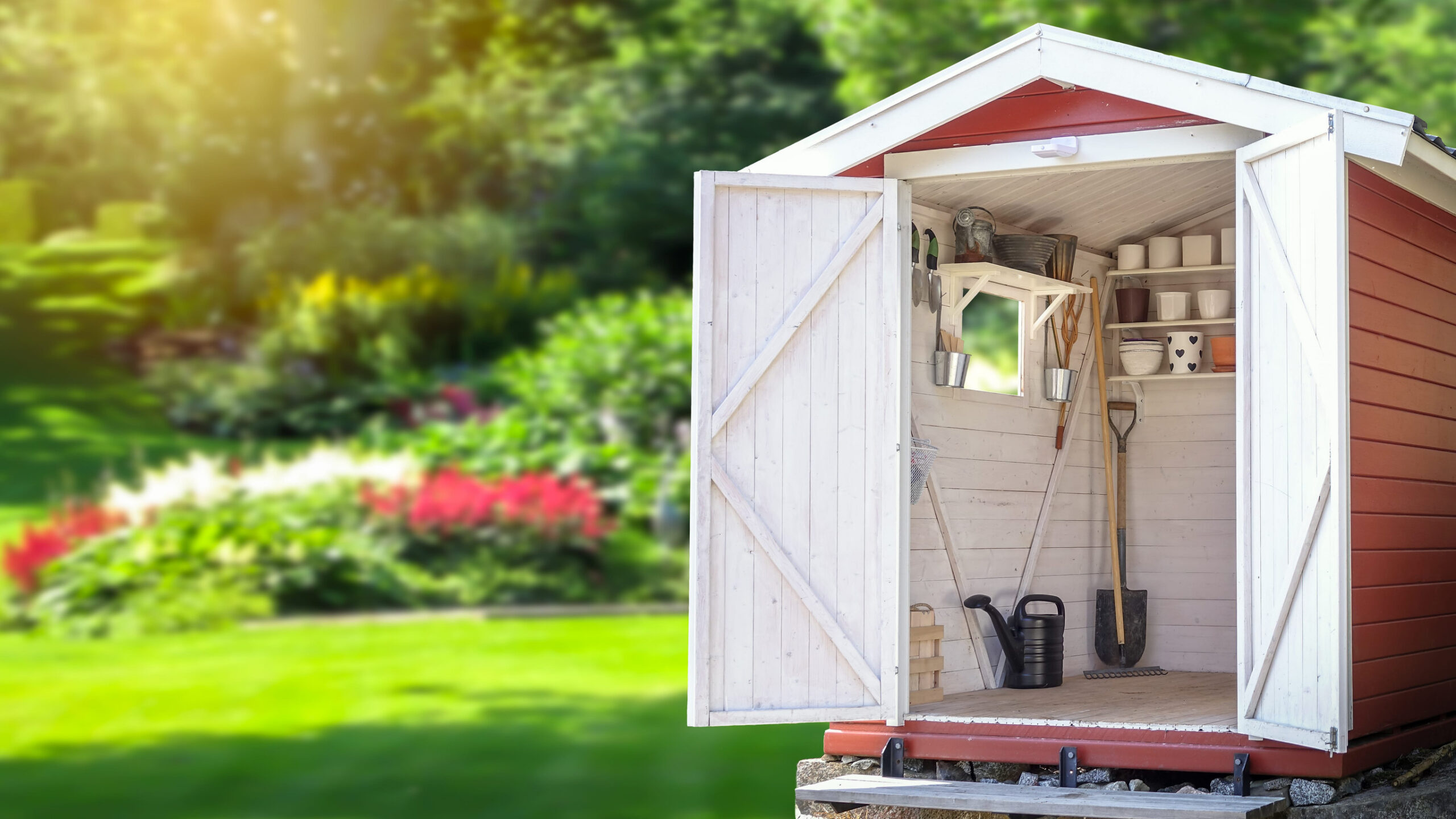
No one likes a cluttered yard. It not only interferes with lawn maintenance, it gets in the way of home improvement or gardening projects, or even just being able to enjoy using your yard as a relaxing retreat. However, depending on the size and type of your property, finding enough outdoor storage space that meets your needs can be a challenge. If you’re tired of having seasonal items, tools, and recreational gear piling up on your deck or patio and ruining the grass, you’re not alone. The good news? With a little creativity and the right setup, you can turn that clutter into order.
In this guide, we’ll share smart and stylish backyard storage ideas that help you make the most of your outdoor space, from ready-made sheds to clever DIY projects. Let’s get started on transforming your yard from chronic chaos into an organized oasis and make every square foot count!
Maximizing Backyard Storage with a Shed
A shed provides dedicated outdoor storage, freeing up space in your home, garage, or other areas of your property. It keeps the contents you store both out of sight and within easy reach, while protecting your belongings from exposure to the elements, UV damage, and animal pests. The most common uses for a shed would be to store:
- Lawn and garden equipment
- Recreational sports and fitness gear
- Storing recycling and garbage bins
- Tools and hardware storage
Choosing the Right Type of Shed
Shed types vary in design and functionality. To choose the right one, you will need to consider materials, size and overall style.
When choosing a shed, your first decision is usually about the shed type, each offering its own benefits and considerations for handling typical Canadian weather:
- Wooden sheds: Wooden sheds provide decent insulation but require regular maintenance (painting, rot prevention).
- Plastic/resin sheds: Low-maintenance, weather-resistant and generally easy to assemble. They resist rot and insects but offer limited customization, and can become brittle in extreme cold over many years, leading to structural weakness.
- Metal sheds: Typically budget-friendly, durable, and fire-resistant. They’re also resistant to rot and insects, but they can dent, and may rust if not properly treated. Good ventilation is essential, as they can become very hot inside.
To determine the right shed size, it’s important to assess what you plan to store. Oftentimes, it’s worthwhile choosing a shed slightly larger than your immediate needs to allow for future storage. Common shed sizes include:
- 6×4: Basic gardening tools, push mower, a few bins.
- 8×10: Good balance for mowers, bikes, shelving.
- 10×10: Ample room for larger equipment, small workshop.
- 10×12: Generous space for ride-on mowers, multiple bikes, potting area.
Organizing Your Shed
Once you’ve got your shed installed, organizing it effectively is key. A well-organized shed saves you time and makes it easier for you to find the items you store inside.
A thorough decluttering and sorting exercise will go a long way to simplify the entire organization process. To get started:
- Perform a thorough clear-out by removing everything from your shed and discard broken or unused items
- Categorize the items you’ll keep by grouping similar items together (e.g., gardening tools, sports equipment). This step will help you determine how you will arrange them later on in the process.
Next, focus on maximizing every inch of space with smart storage solutions:
- Shelving: Essential for shed organization.
- Utilize vertical space with tall units.
- Consider freestanding shelves for flexibility.
- Use corner shelves to maximize often-wasted areas.
- Racking: Heavy-duty racking is effective for storing lumber, pipes, or bicycles off the floor.
- Wall & ceiling space:
- Pegboards: Versatile for hanging hand tools and small items, keeping them visible and accessible.
- Hooks: Use various hooks for shovels, rakes, hoses, and ladders.
- Overhead storage: If headroom allows, install ceiling-mounted racks or platforms for long, flat items or seasonal storage like tires
Finally, ensure everything is easily identifiable and accessible:
- Use clear plastic bins so you can see contents at a glance.
- Label everything (especially opaque bins) to save time and frustration.
- For common outdoor items, designate specific spots suitable to store them:
- Hang your long-handled garden tools together
- Use racks dedicated to sports equipment storage
- Store your paints/liquids upright in a cool, dry place.
Protecting & Maintaining Your Shed
Protecting your outdoor storage requires proper moisture prevention, regular maintenance, and robust security measures. Preventing mold is crucial, as it often stems from poor ventilation, leaks, or storing damp items. To protect your shed from this risk:
- Promote airflow: Install vents (roof, wall, or gable) and occasionally leave the door open on dry days.
- Absorb excess moisture: Use desiccant products like moisture absorbers.
- Weatherproof: Seal gaps, check roofing regularly, and ensure doors/windows close tightly.
- Consider insulation & dehumidifiers: For sensitive items or damp climates, these can be valuable investments.
- Choose mould-resistant materials: Opt for treated lumber or synthetic materials when building or buying.
The shed floor also plays a significant role in moisture control. Options include:
- Gravel base: Allows effective water drainage.
- Treated wood floor: Elevated slightly off the ground for air circulation.
- Concrete slab: Durable, moisture-resistant, and excellent for longevity.
- Rubber matting or interlocking tiles: Add an extra layer of protection and cushioning over other flooring types.
Beyond moisture, your shed needs to be protected against weather and pests. Ensure your shed is truly weatherproof by regularly checking for leaks after rain or snow. For pest control, seal any gaps or cracks where mice, squirrels, or insects could enter, and avoid storing food items unless in airtight, rodent-proof containers, e.g. mason jars.
Finally, implement security measures to protect your valuable tools and equipment:
- Quality locks: Invest in sturdy, weather-resistant locks for doors and large storage boxes.
- Lighting: Install motion-sensor lights around storage areas as a deterrent.
- Alarms: Consider a simple, battery-operated shed alarm system for particularly valuable items.
Regular seasonal maintenance will prolong your shed’s life and protect its contents. Make it a habit to clean and reorganize your shed in spring and fall, as well as periodically inspecting it for leaks, signs of pests, and general wear-and-tear. When you catch small problems early, it prevents big headaches later down the road!
Additional Backyard Storage Solutions
If a full-sized shed isn’t suitable for your space or needs, there are many functional yet stylish outdoor storage solutions to explore:
- Deck boxes: These are effective for outdoor organization, perfect for stashing patio cushions, pool toys, or small gardening tools. Many also double as extra seating.
- Dual-purpose furniture: Choose outdoor furniture with multi-functional features
- Storage benches: Come with built-in compartments for small items while providing extra seating.
- Weatherproof outdoor cabinets: They discreetly hold gardening supplies or BBQ tools on a patio or against a wall.
- Vertical storage: Maximize your available storage space by utilizing walls. Attach shelves, sturdy hooks, or versatile pegboards to exterior walls of your house, garage, or use a sturdy fence for hanging tools, hoses, or creating a vertical herb garden.
Maximizing Backyard Storage with Self-Storage
While sheds are great for seasonal items like deck chairs or off-season sports gear, typical outdoor storage options still have some limitations:
- Climate sensitivity: Most lack robust protection from extreme Canadian temperatures or humidity, potentially damaging items susceptible to mildew, rust, and other forms of climate-related deterioration. Shed storage can also pose a risk of damage to your items from pests that manage to find a way in undetected.
- 24/7 security surveillance: If backyard security is a concern, a self-storage unit at a secure location can reduce the risk. Self-storage facilities come equipped with alarm systems, electronic monitoring, and other security measures that operate around the clock to keep your items safeguarded at all times.
- Space constraints: You might simply have more belongings than your backyard shed can adequately accommodate, which means these items can end up competing for valuable space elsewhere on your property.
- Accessibility: Accessing items can be inconvenient, particularly during inclement weather, after a major snowfall, or if your shed is tightly packed.
If you need specialized storage for items like ATVs, motorcycles, or large lawn equipment, self-storage is often your best choice, by offering you ample space, enhanced security, and reliable options for long-term or winter storage.
Since your storage needs are unique, we offer a variety of features designed to enable customized storage solutions.
- Variety of unit sizes: From small lockers to units as big as a double-car garage, you only pay for the space you need.
- Temperature-controlled options: Keep your belongings in great condition with an indoor storage unit, designed to maintain an ideal temperature range for protection against mould and mildew.
- Flexible access: Convenient, year-round access hours mean you can get to your belongings whenever it works for your schedule.
A smart outdoor storage strategy often combines an on-site shed with a self-storage unit. Keep frequently used, seasonal items in your shed, and store off-season or rarely used items in your storage unit. As a result, you can easily rotate your things as needed while maintaining handy access year-round. This dynamic-duo approach maximizes convenience and protection!
Maximize Your Backyard Storage Options Today!
Creating a more functional and organized outdoor space starts with practical storage planning. The backyard storage solutions we explored here can deliver reliable ways to reduce the amount of clutter in and around your home, organize your items while preserving their condition, and in general, make better use of the storage space you have.
Thoughtful storage isn’t just about tidiness – it’s about making your space more livable and easier to manage throughout the year no matter the season!
